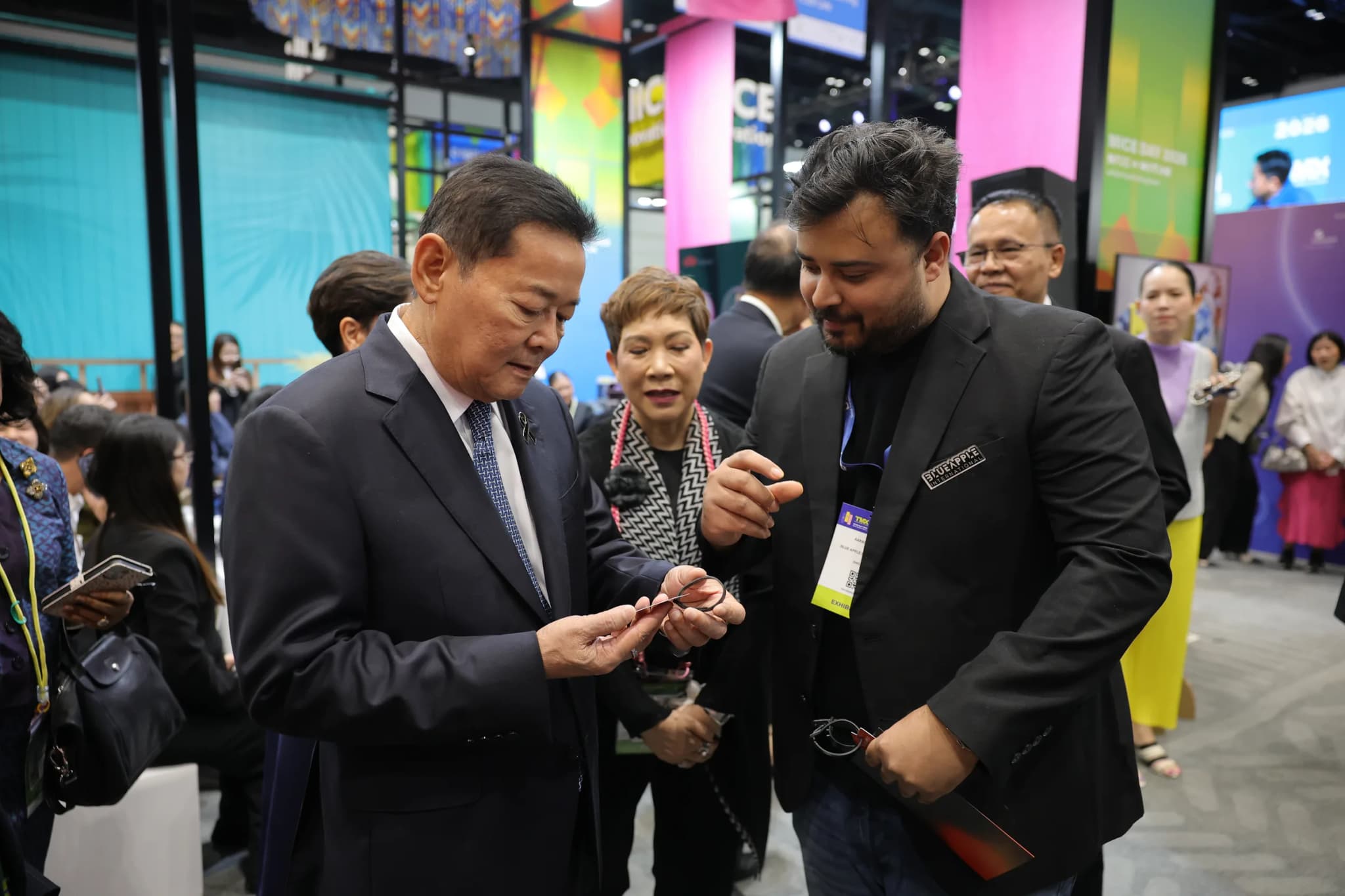
We had covered events across India, Singapore and the Gulf before Tokyo, and arrived assuming the job would be the same job in a different postcode. It was not. Japan does not run events the way most of Asia does, and the differences are not cosmetic — they change how a photography team plans, moves and behaves in the room. This is what we learned covering the APAC App Summit 2026.
01Consent Is the Biggest Difference
In many markets, attending a conference is treated as implied consent to appear in event photography. Japan is stricter. Law and custom recognise a right of likeness — shozoken — and audiences expect it respected in practice, not in a footnote. Organisers manage it visibly: a different lanyard colour, a badge, or a sticker marking attendees who must not be photographed.
So the opt-out system is the first thing to establish in the briefing, before shot lists or timings. Every person holding a camera must understand it, and it is absolute. A single published frame containing someone who opted out is a serious error, and it lands on the organiser.
In most markets, the instinct when unsure is to take the shot and decide later. In Japan the instinct has to be reversed: if consent is unclear, the frame does not exist.
02The Room Is Quieter Than You Expect
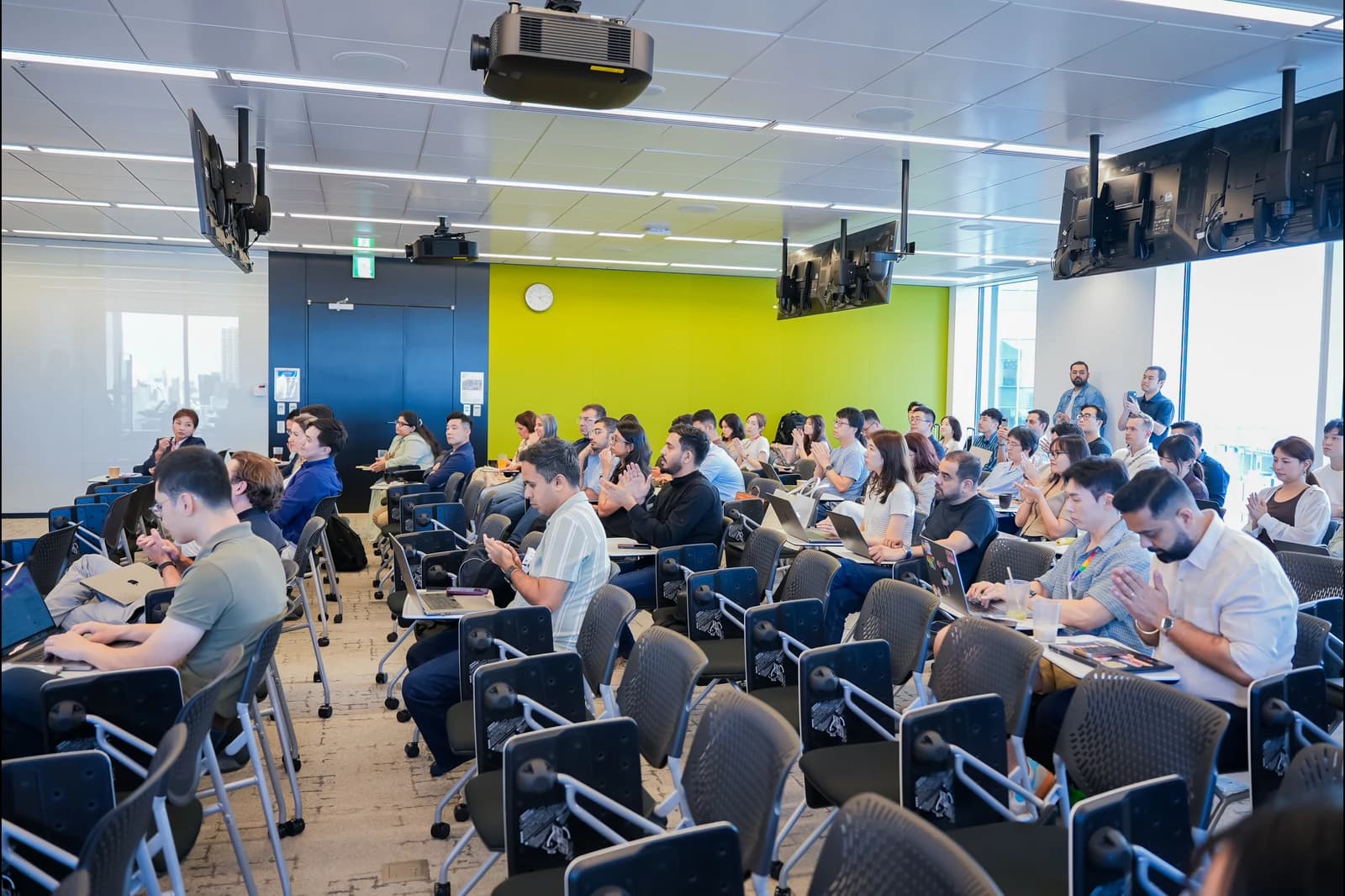
Japanese conference audiences are genuinely quiet — little side conversation, little movement in and out of sessions. Every sound you make is audible and every step visible. A mechanical shutter that vanishes into the ambient noise of a hall in Mumbai becomes conspicuous in Tokyo.
- Shoot silent or electronic shutter during sessions wherever the camera allows
- Work from two or three fixed positions rather than roaming the aisles
- Move only during applause, transitions or breaks — never mid-sentence
- Favour longer lenses so you can stay at the back and still fill the frame
- Keep the team small: two photographers moving quietly beat four moving carelessly
03Schedules Are Real
Published timings are not indicative. A session listed for 14:00 starts at 14:00. That is a gift and a trap: you can plan a shot list against the agenda and trust it, but there is no buffer and no informal ten-minute overrun to recover in.
| Moment | Be in position | Why |
|---|---|---|
| Doors open | 30 minutes before | Empty-room and set-up frames are only possible once |
| Session start | 5 minutes prior | The opening slide sets the tone of the whole set |
| Peak attendance | Mid-session, from the rear | The full-room shot is the most valuable image for next year |
| Applause and transitions | Already moving | The only window to change position without disruption |
| Networking breaks | On the floor immediately | Genuine conversation happens in the first five minutes |
04Access Approvals Take Longer
Corporate offices and managed venues often require advance clearance for equipment, floor access, and any filming in shared or secure areas. A request handled with a morning phone call elsewhere can simply be refused in Japan — the approval genuinely has to route through the right people, and that takes days.
Brief the team two to three weeks out. Confirm in writing what equipment is permitted, which areas are open, whether tripods or lighting are allowed, and who the on-site contact is. The venue liaison is the most useful person you will meet all week.
05Etiquette Is Part of the Job
A photography team in Japan is not invisible support staff — it is a visible representative of whoever hired it. None of this appears on a shot list, but all of it determines whether the room relaxes around your team.
- 1Greet the venue and AV staff before you start — they control your access all day
- 2Exchange business cards with both hands, and read the one you receive
- 3Never interrupt a speaker or a conversation to stage a shot
- 4Ask before photographing anyone one-to-one, even inside an open event
- 5Dress to the level of the room
- 6Thank the organiser and venue team on the way out, not just by email
06If You Are Hosting an Event in Japan
The brief needs two additions it would not need elsewhere. Decide and communicate the consent mechanism early — how attendees opt out, and how the team recognises them at a glance. And build access approvals into the event timeline rather than treating them as a last-week detail. Everything else works the same way it does anywhere.
Handle those two well and Japanese events photograph beautifully. Venues are well lit and uncluttered, timings hold, and audiences are engaged rather than distracted. Once the preparation is right, the shooting is a pleasure.
We covered the APAC App Summit with a small, quiet team, a briefing that put consent first, and positions agreed before the first session opened — and delivered a full set without a single disruption to the programme. In Japan, that is the real measure.
07Frequently Asked Questions
What is different about event photography in Japan?
Consent, timing and noise. Japan has strong legal and cultural sensitivity around likeness, schedules run to the minute, and sessions are quiet enough that shutter noise becomes a distraction.
Do you need permission to photograph attendees?
Yes, far more explicitly than in most markets. Japan recognises a right of likeness (shozoken), and organisers manage it with signage, lanyard colours or opt-out badges. When in doubt, do not take the frame.
How far in advance should you brief a photographer in Tokyo?
Two to three weeks. Venues and corporate offices often require advance approval for equipment and access, and same-day requests that are routine elsewhere can be declined outright.
Do you need a Japanese-speaking photographer?
Not necessarily. Most international corporate events in Tokyo run in English; the requirement is cultural fluency rather than language fluency, with a local coordinator covering the rest.