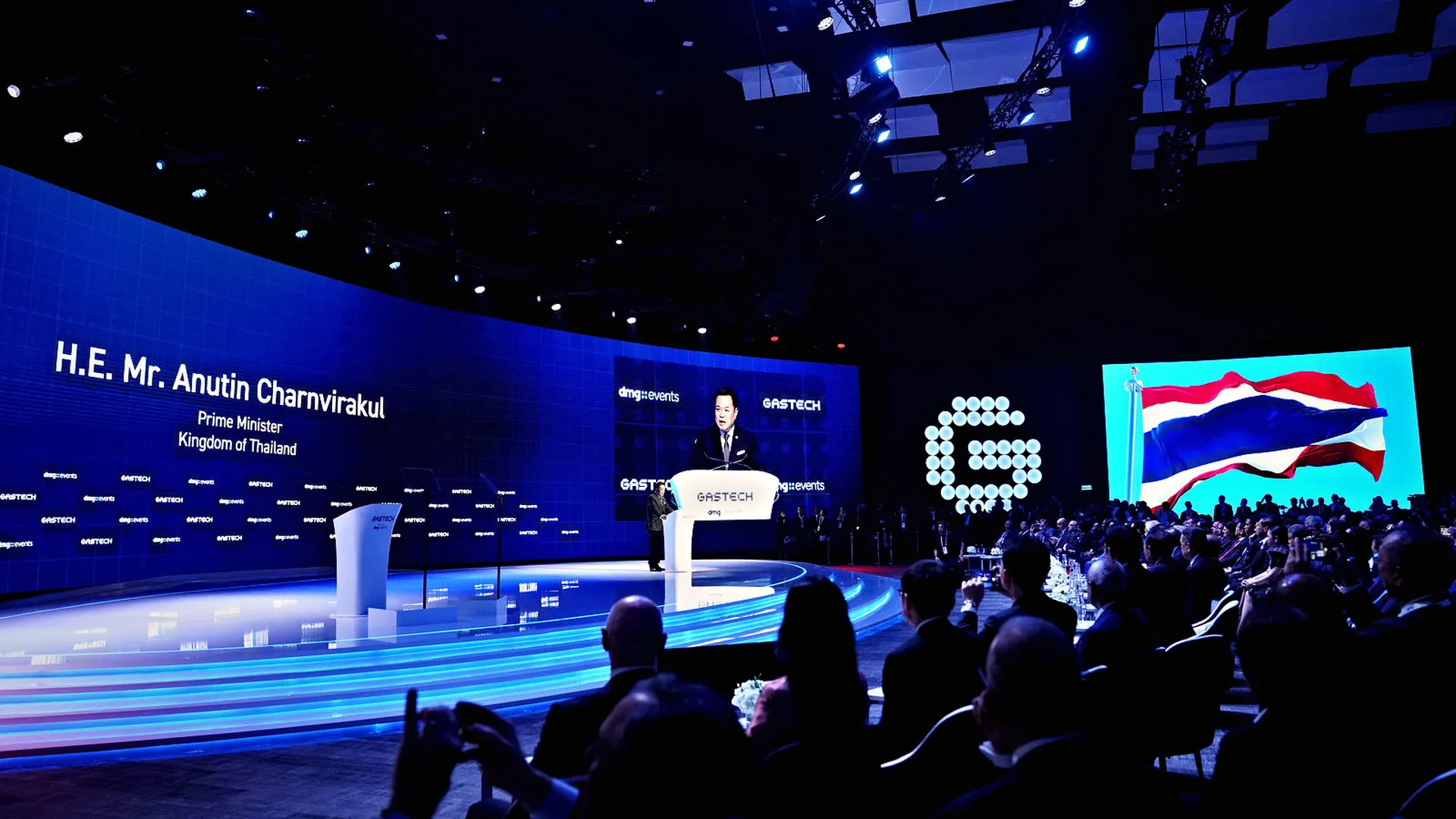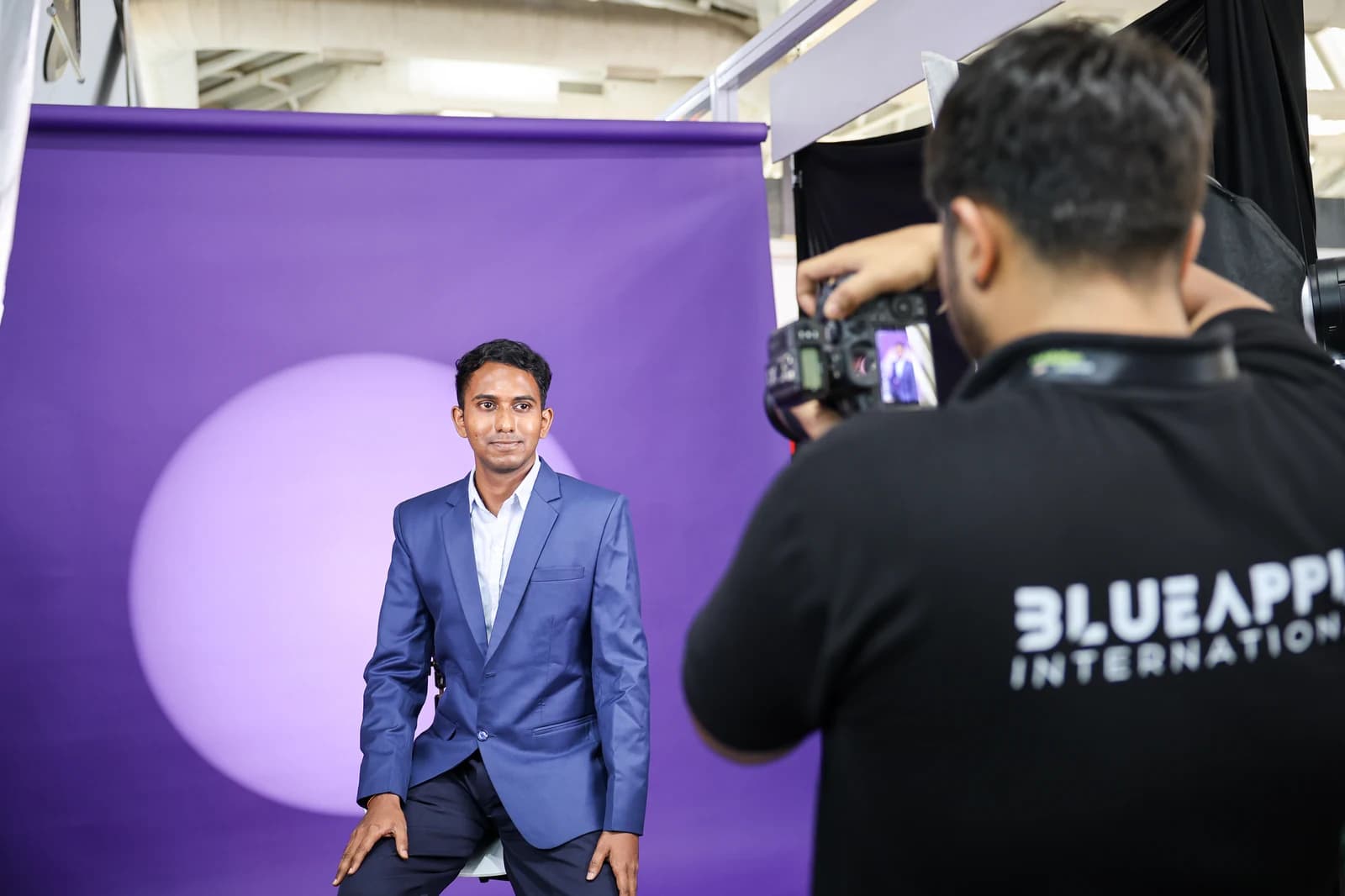
An event lasts a day or two. The coverage lasts for years. Every brochure, LinkedIn post, sponsor pitch and next-year prospectus pulls from the images captured on those few days. When the coverage is professional, that material makes you look like a serious operator. When it is not, it quietly undercuts everything else you spent money on.
Events used to be judged in the room. Now they are judged on a screen, weeks later, by people who were never there. For most of the audience that will ever encounter it, the photograph is the event.
01What Professional Coverage Actually Means
Not one person with a good camera walking the floor — a planned system. It starts with a brief identifying the moments that must be captured and the shots that will sell the next edition, runs through a team that can work a busy hall without getting in the way, and ends with edited, graded, correctly delivered files.
- A shot list agreed before the event, so nothing critical is left to chance
- The moments that carry weight later: the packed hall at peak, the keynote in flow, the award received
- Consistent colour and framing, so the set looks like one brand
- Same-day social while the event is live and the audience is still paying attention
- Files named and organised, in the formats you will actually use
02Why It Matters More Now
Three things changed. The audience moved online — a conference of 2,000 produces content that reaches 200,000, making the room the smallest part of the audience. The standard went up: everyone has a phone that shoots reasonable photos, so a merely acceptable image now reads as the absence of effort. And buyers research before they commit — an exhibitor choosing next year's show looks at your last one first.
The people who decide whether your event was worth it are mostly people who never attended. They form that judgement entirely from what they see afterward.
03What Weak Coverage Costs
The cost is invisible on the day and expensive for the rest of the year. It shows up when marketing has nothing usable for the recap film, when a sponsor asks for photos of their activation and there are three blurry frames, when next year's prospectus has to reuse last year's images. None of it appears on an invoice, which is why it gets ignored until it is too late.
- Sponsors who do not see themselves represented well are harder to renew
- A recap film built from thin footage becomes the public memory of the event
- Missing the peak crowd shot costs the prospectus its most persuasive image
- Press need high-resolution, captioned images fast, and pass on events that cannot supply them
04The Return
Treat coverage not as a line item for the event but as raw material for a year of marketing. One well-run shoot at a two-day event produces the website hero, the recap film for the sales deck, the sponsor packages that support renewals, the press pack, and months of social.
| What it feeds | How long it works | Impact |
|---|---|---|
| Website hero and gallery | Until the next event | First impression for every prospect |
| Recap and highlight film | 12 months plus | Sells the next edition |
| Sponsor image packages | Renewal cycle | Protects sponsorship revenue |
| Press-ready image pack | Days after | Earns trade and national coverage |
| Same-day social | During and just after | Drives live attendance and reach |
| Next-year prospectus shots | The full sales cycle | The most persuasive sales asset |
05How to Tell the Difference
It is rarely about equipment. It is planning, judgement and reliability.
- 1They ask about your goals before they talk about their gear
- 2They can name events they have covered, with the year and the city
- 3They carry backup bodies and lenses on site
- 4They commit to a delivery timeline in writing, including same-day content
- 5They know the difference between what an organiser needs and what an exhibitor needs
06Why This Matters Internationally
For a brand exhibiting abroad, coverage does more than document — it travels. A strong set from your stand in Singapore becomes the proof that reaches a distributor in Germany who was never in the room. Consistent coverage is how an event in one country builds credibility in every other country your audience sits in.
We treat coverage as the asset that outlives the event — planned around how the images will be used afterward, delivered same-day as standard, and held to the same visual standard in India, Singapore, Dubai or Europe.